Landscape design guide
Choose the landscape design direction that fits your garden
Explore landscape design approaches based on the character, function and priorities of your outdoor space. The guide covers complete garden concepts, planting design, outdoor living, pathways and refined landscape details so you can begin with a clearer understanding of the design direction you want to develop.
Landscape design categories
Start with the part of the garden you want to shape
Garden concept route
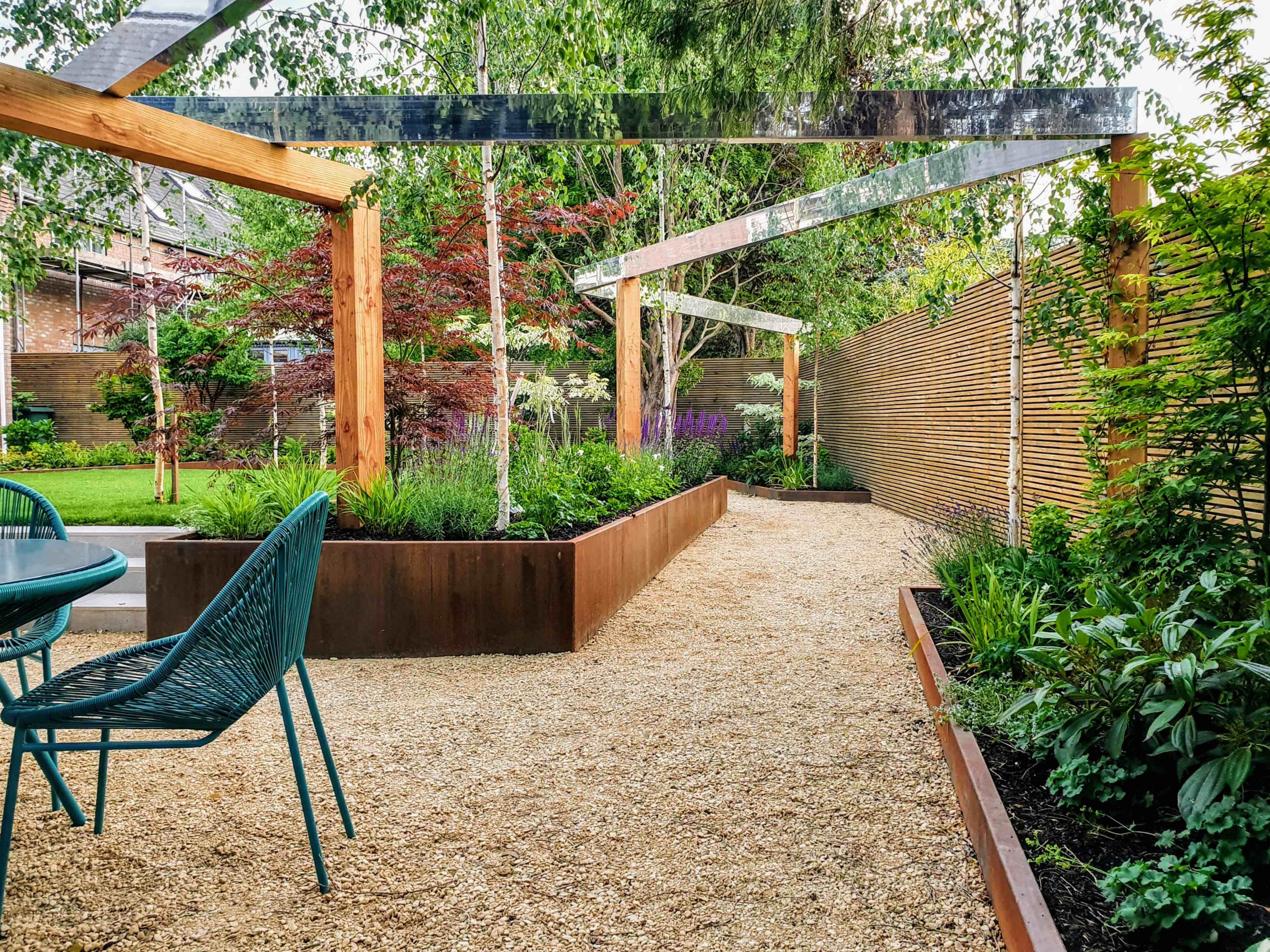
Use this route when you want to establish the overall structure and character of an outdoor space. A garden concept can bring together planting areas, open space, pathways, seating zones, focal points and transitions so the landscape feels connected rather than like a collection of separate elements.
The examples below describe common landscape design considerations rather than a guarantee of a particular design outcome. Contact Garden Atelier with information about your garden and the areas you want to transform so the appropriate design direction can be discussed.
| Design focus | Typical application | Common objective | Design level | Planning note |
|---|---|---|---|---|
| Garden layout | Main outdoor areas and garden zones | Create a balanced relationship between planting, open space and movement | Concept planning | Describe the areas you want to connect, reorganize or redefine |
| Planting composition | Borders, beds and layered planting areas | Build rhythm, texture, seasonal interest and stronger garden character | Planting design | Share existing plants and the atmosphere you would like to create |
| Outdoor living layout | Seating, dining and entertaining areas | Connect practical outdoor use with the surrounding landscape | Space planning | Mention how you expect to use the space and which areas need definition |
| Garden structure | Pathways, screening and landscape features | Improve circulation, privacy, proportion and visual organization | Landscape refinement | Provide details about existing features and what feels incomplete |
Planting design route
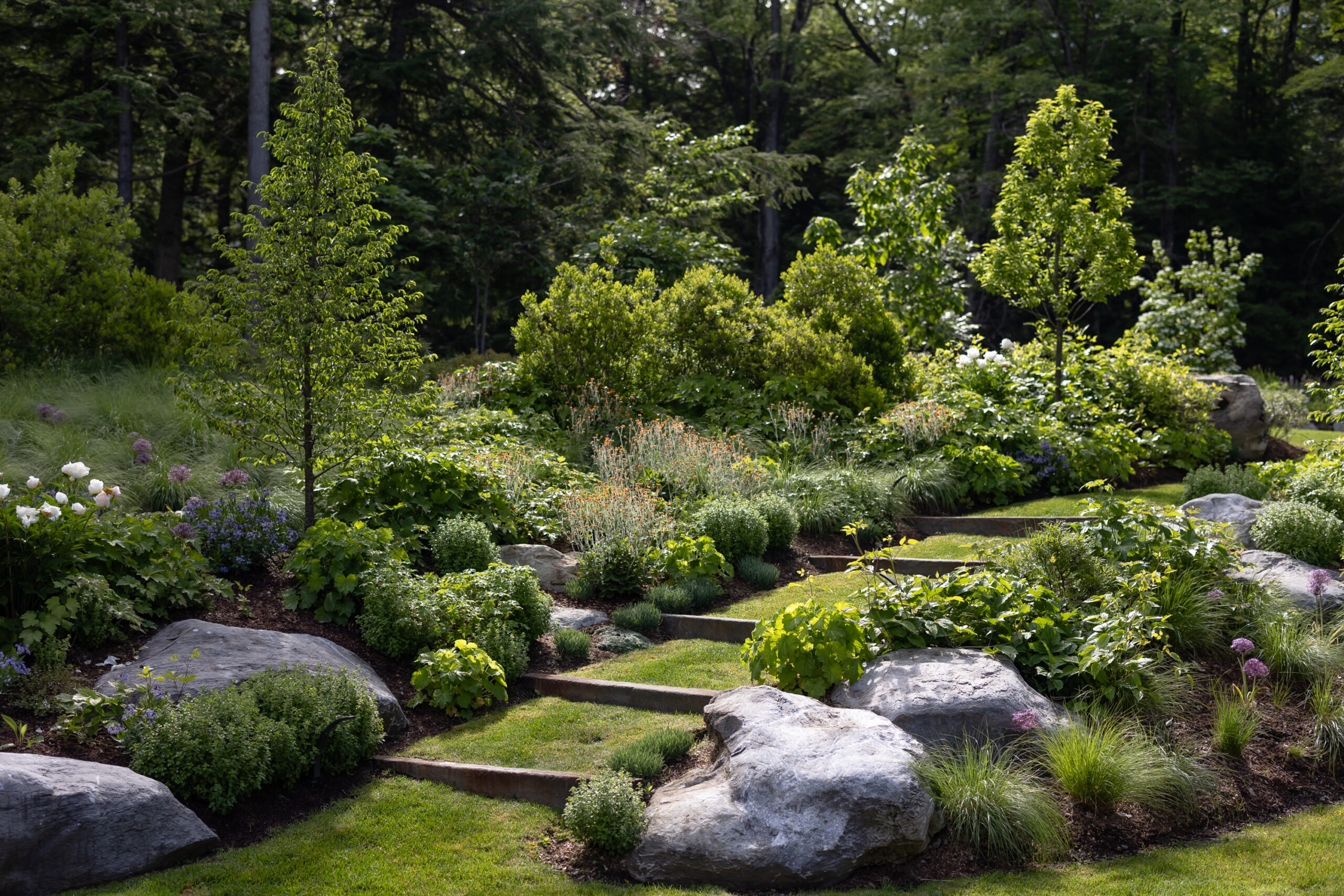
Use this route when the main focus is the planting character of your garden, from layered borders and seasonal interest to stronger combinations of trees, shrubs, perennials and ornamental grasses.
The examples below describe common planting design considerations rather than a guaranteed planting outcome. Contact Garden Atelier with information about the existing garden, preferred atmosphere and areas you would like to develop.
| Design focus | Typical location | Common objective | Design level | Planning note |
|---|---|---|---|---|
| Layered planting | Borders and garden beds | Create depth through varied heights, textures and planting layers | Planting concept | Describe the existing beds and the character you want to introduce |
| Seasonal planting | Flower beds and mixed borders | Provide changing color, texture and visual interest throughout the seasons | Planting planning | Mention preferred colors, seasonal interests and existing plants |
| Structural planting | Garden boundaries and focal areas | Establish lasting form, rhythm, screening and garden structure | Landscape planting | Explain which areas need stronger definition or visual structure |
| Refined plant combinations | Existing or newly designed planting areas | Improve cohesion between color, foliage, scale and texture | Planting refinement | Share the parts of the garden that feel unfinished or disconnected |
Outdoor living design route
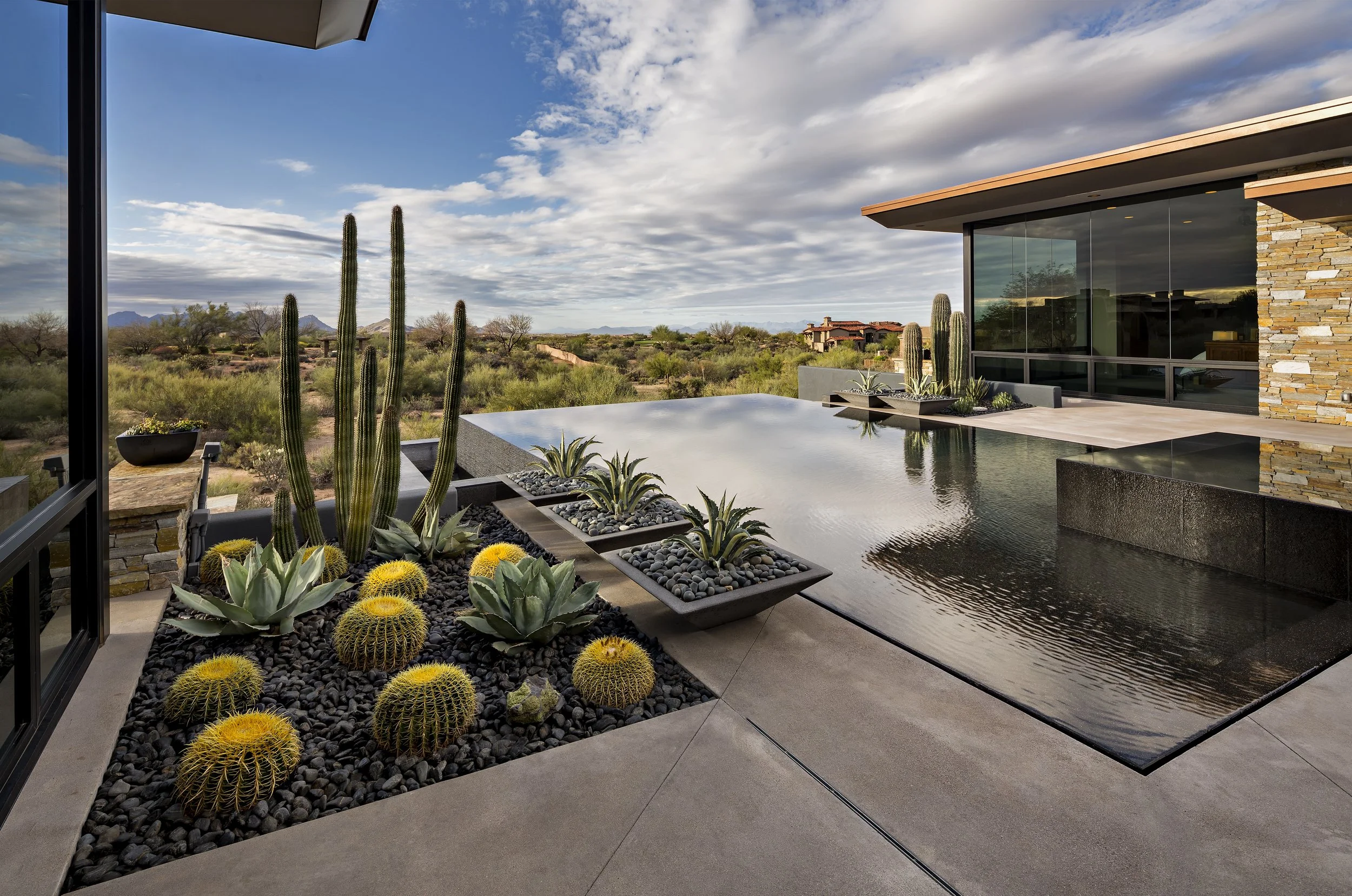
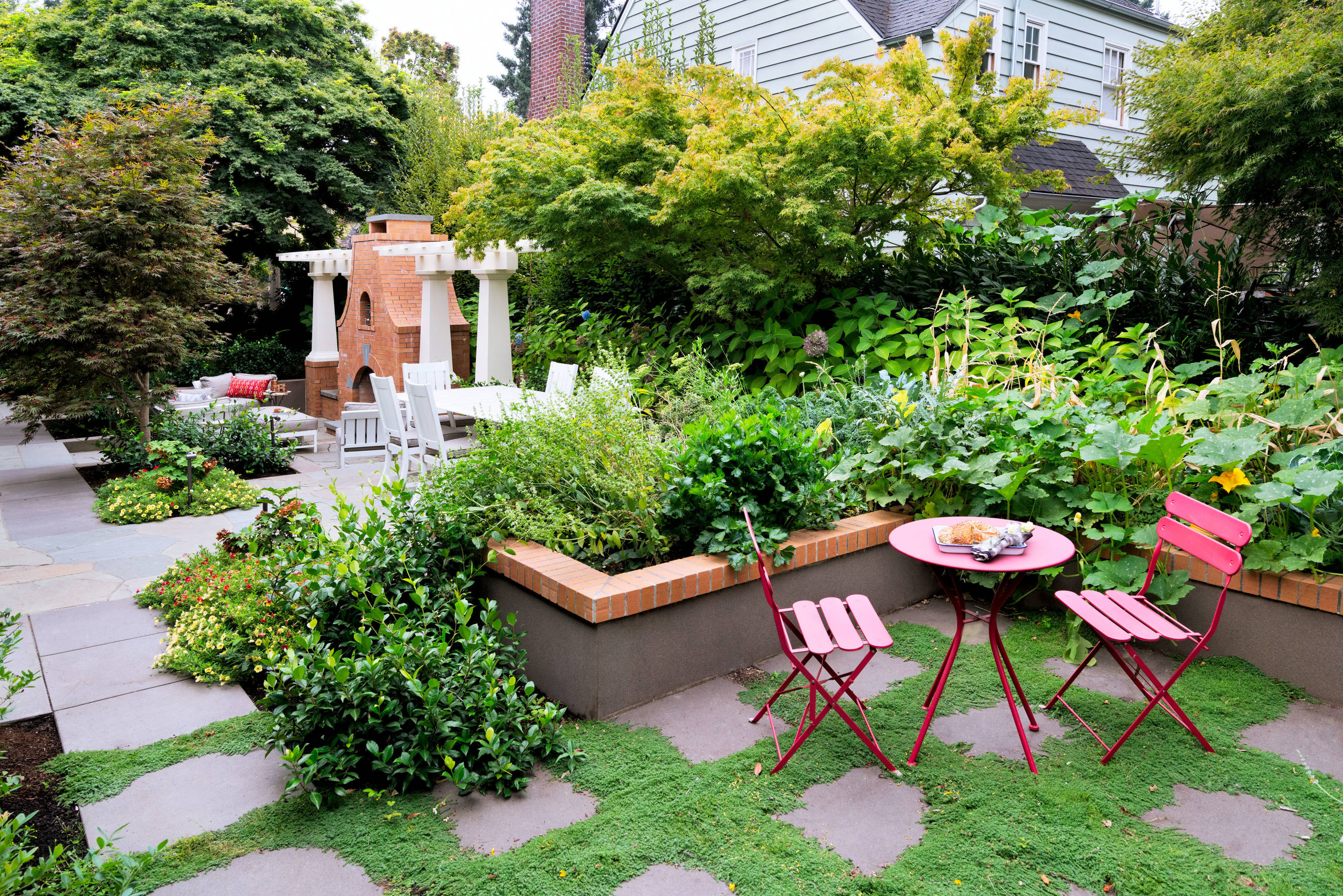
Use this route when the landscape needs to support everyday outdoor living, including places for relaxing, dining, entertaining or moving comfortably between different parts of the garden.
The examples below describe common outdoor living design considerations. Contact Garden Atelier with the intended use of the space, existing garden features and practical priorities before developing the design direction.
| Design focus | Typical location | Common objective | Design level | Planning note |
|---|---|---|---|---|
| Outdoor seating | Garden terraces and open areas | Create comfortable places for relaxing and spending time outdoors | Space planning | Explain how you want to use the seating area and what surrounds it |
| Dining space | Entertaining and dining areas | Connect practical gathering space with the wider garden composition | Outdoor layout | Describe the expected use, access and relationship to nearby garden areas |
| Garden pathways | Connections between outdoor spaces | Improve circulation while creating a natural visual flow through the garden | Landscape planning | Identify areas that need clearer or more practical connections |
| Garden screening | Boundaries and outdoor living zones | Add privacy, separation and a stronger sense of enclosure | Landscape refinement | Explain which views, boundaries or activity areas need definition |
Garden detail route
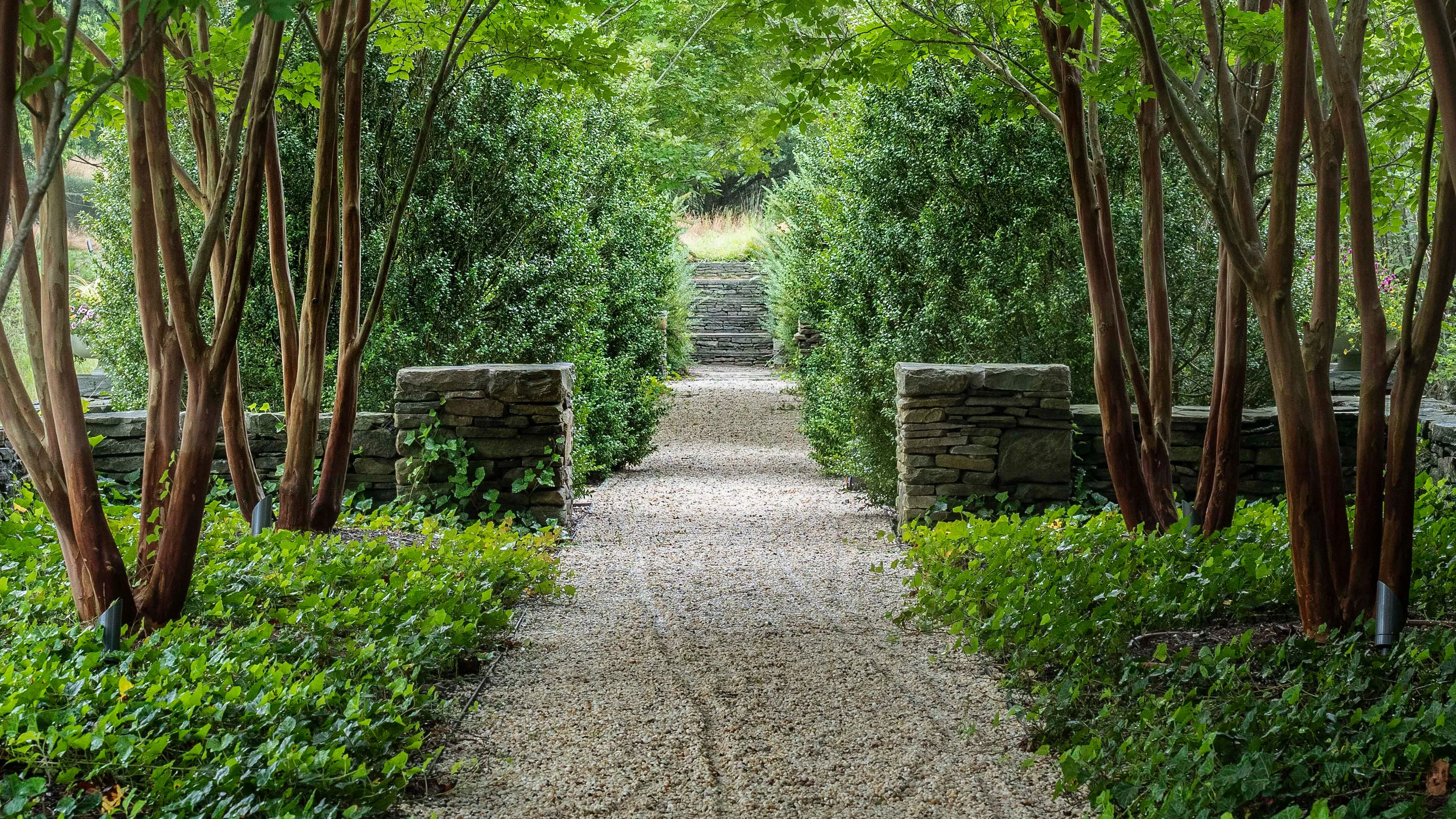
Use this route when the overall garden direction is established but specific elements need refinement, coordination or a more deliberate relationship with the surrounding landscape.
The examples below describe common landscape refinement situations rather than a guaranteed design outcome. Provide clear information about the existing garden, the element you want to improve and the atmosphere you would like to achieve.
| Design concern | Typical location | Common objective | Design level | Planning note |
|---|---|---|---|---|
| Garden feature refinement | Focal points and key garden areas | Give individual features a stronger relationship with the overall landscape | Design refinement | Describe the feature and how it currently fits within the garden |
| Pathway improvement | Garden paths and circulation routes | Create clearer movement and a more natural connection between spaces | Landscape planning | Explain where movement feels awkward or visually disconnected |
| Planting area refinement | Existing borders and garden beds | Strengthen composition, balance, texture and seasonal character | Planting refinement | Identify areas that feel sparse, crowded, repetitive or unfinished |
| Outdoor feature planning | Seating, screening and garden living areas | Coordinate practical features with planting and surrounding garden structure | Landscape design | Provide details about the intended use and existing outdoor arrangement |
Quick landscape design guide
Match the design direction to your garden priorities
| Garden situation | Useful starting point | Design focus | Good fit for |
|---|---|---|---|
| Garden needs a complete direction | Identify the areas, functions and overall character you want | Garden concept and landscape layout | New garden ideas, reorganized outdoor spaces and broader transformations |
| Planting feels incomplete | Review existing plants, desired atmosphere and seasonal interests | Planting design and composition | Borders, beds, layered planting and seasonal garden character |
| Outdoor areas need better organization | Describe how you want to relax, dine, entertain or move through the garden | Outdoor living and space planning | Seating areas, dining spaces, pathways, screening and garden connections |
| Existing garden needs refinement | Describe the elements that feel disconnected, unfinished or impractical | Landscape and garden detail refinement | Garden features, pathways, planting areas and coordinated outdoor details |
Explore the landscape design options
Use the design guide to identify the right starting point for garden concepts, planting plans, outdoor living spaces or landscape refinement.
Open garden planning guide